
EcoHealth4Sea is an « International Research Project » for 2025-2029.
IRPs are collaborative research projects established between one or more CNRS laboratories and laboratories from one or two foreign countries. They allow for the consolidation of already established collaborations through short- or medium-term scientific exchanges. Their purpose is to organize working meetings or seminars, develop joint research activities including field research, and supervise students. French and foreign teams must have already demonstrated their ability to collaborate together (for example, through one or more joint publications). These programs last 5 years.
EcoHealth promotes health through systemic and pluridisciplinary approaches. Surprisingly this crucial approach is not used for mitigating coastal health risks, where diseases emerge due to intense human activity and heavy environmental pressures. Bivalves, which inhabit coastal marine systems, serve as indicators, vital for ecosystem health. They are an important aquaculture resource in France, Brazil and Chile.
The international research project Ecohealth4 Sea builds on over 20 years of collaboration between 3 laboratories with complementary expertise on the biology and ecology of marine invertebrates, and their interactions with the biotic and abiotic environment. It focuses on two main research axes covering the following themes: (i) Anticipating and preventing infectious risks in coastal environments. We will consider the emergence and circulation of pathogens, the emergence of antibiotic-resistant bacteria, and the influence of the environment and human activities on these processes. (ii) Exploring mollusk immunity and developing solutions for sustainable aquaculture. We will study immune diversification and adaptability of molluscs to environmental changes, and explore immune priming and microbial education to protect them from infections according to national contexts.
For each of these axes, we aim to engage in a research-action approach with local stakeholders on (i) the assessment of infectious risk and surveillance, and (ii) solutions for sustainable aquaculture.
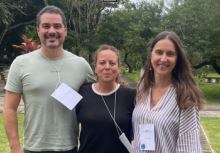
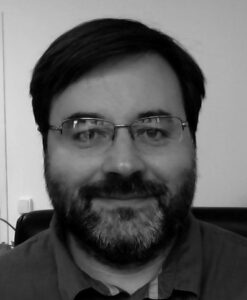
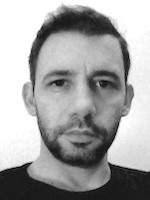
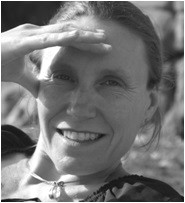
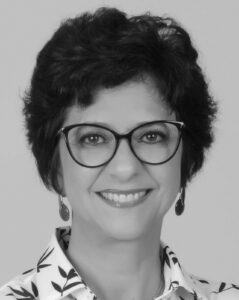
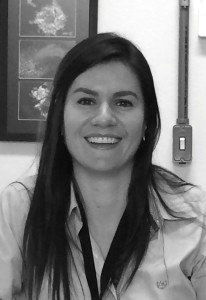
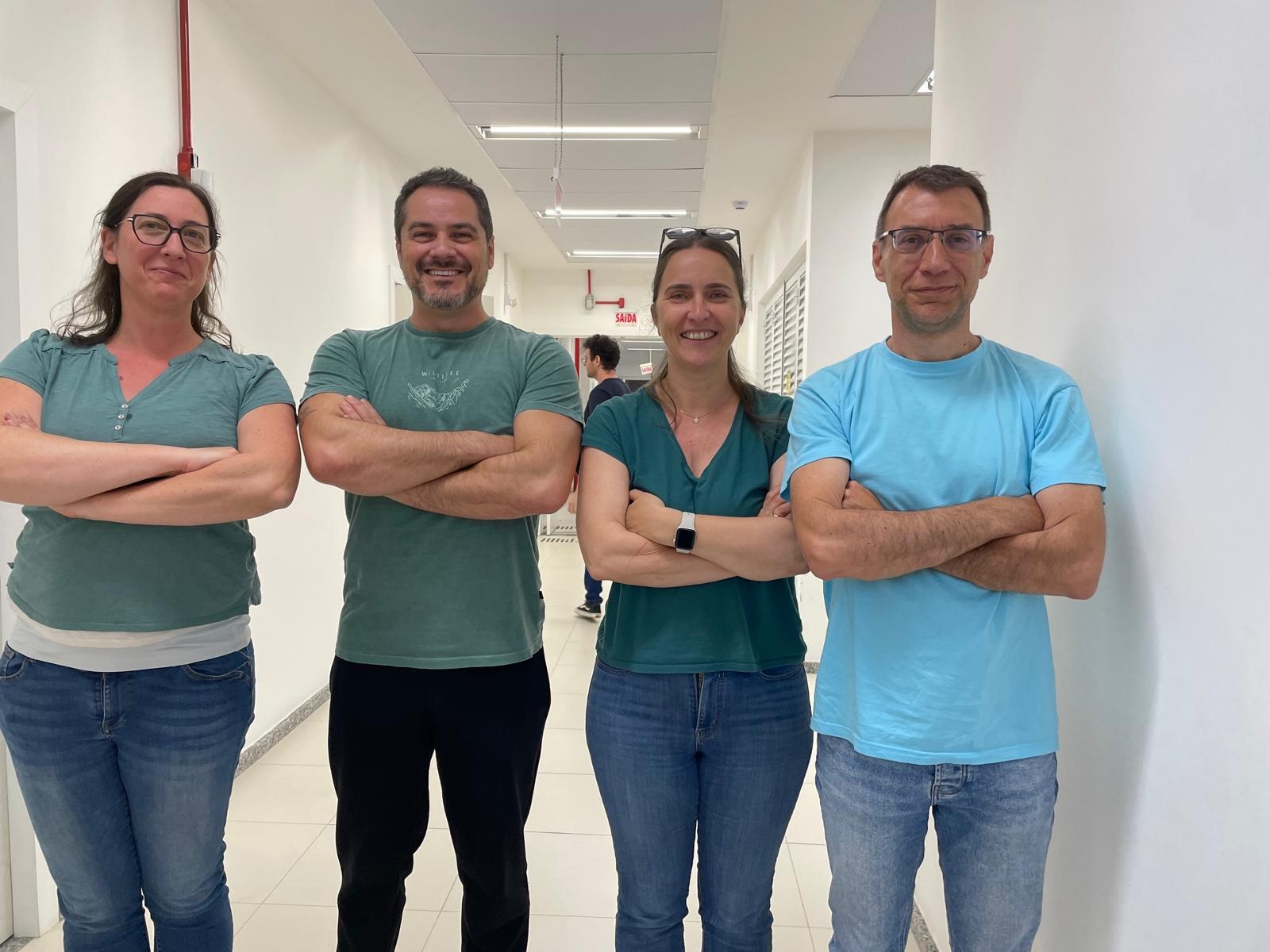
Coordinators
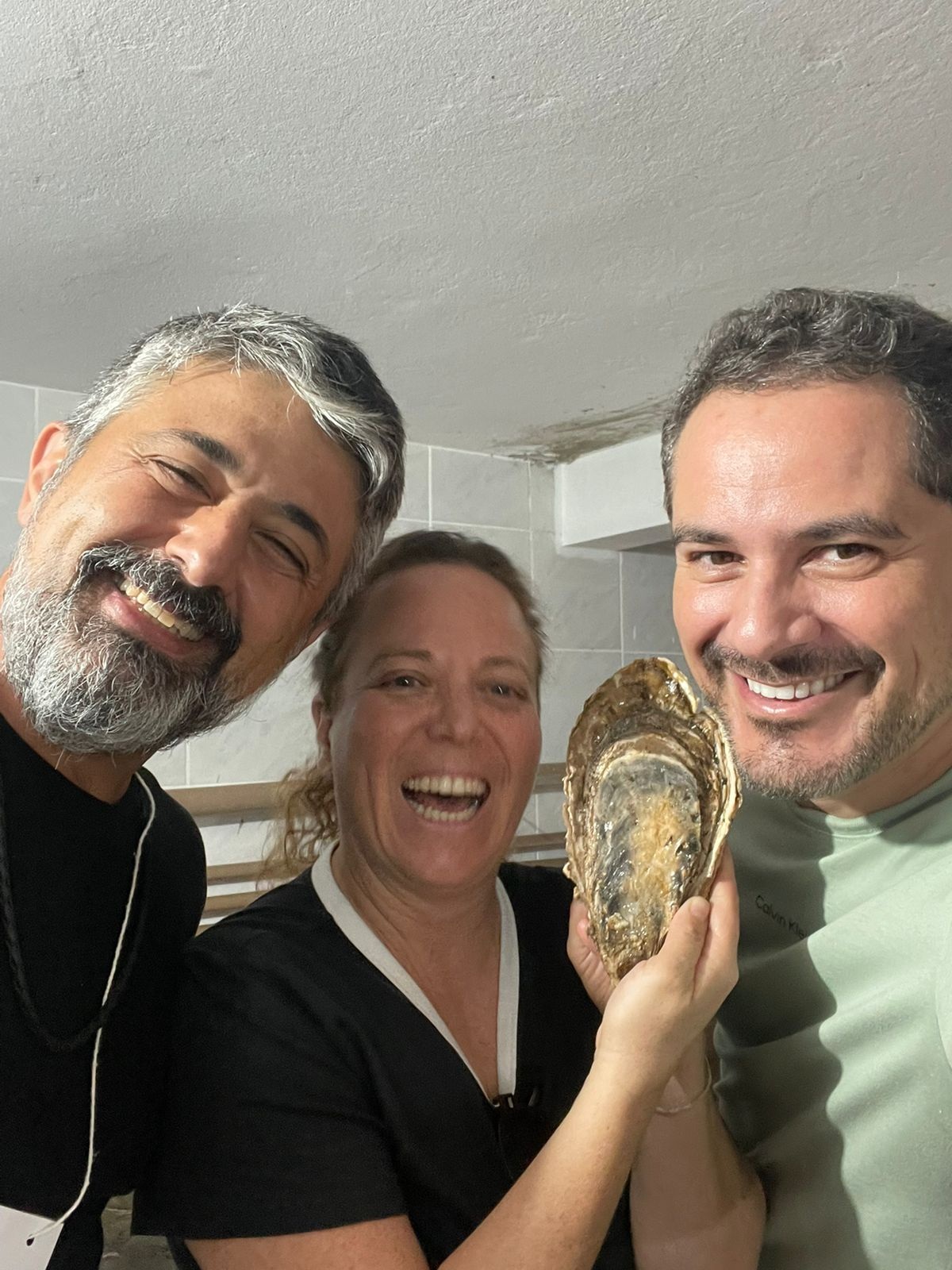
(left to right : Rafael Da Rosa, BR – Paulina Schmitt, CL – Delphine Destoumieux-Garzon, FR)
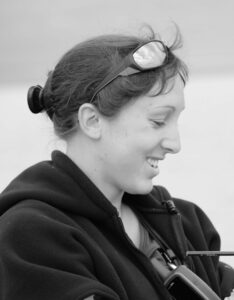
French members (all from IHPE laboratory)
 |  |  |  |  |
|---|---|---|---|---|
Elyna BOUCHEREAU | Viviane BOULO | Cristian CHAPARRO | Guillaume CHARRIERE | Céline COSSEAU |
 |  |  |  |  |
Gaëlle COURTAY | Delphine DESTOUMIEUX- | Samira EL KALAI | Jean-Michel ESCOUBAS | Richard GALINIER |
 |  |  |  | 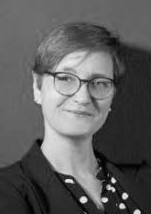 |
Yannick LABREUCHE | Arnaud LAGORCE | Agathe MAROT | Diane MERCERON | Anne MODAT |
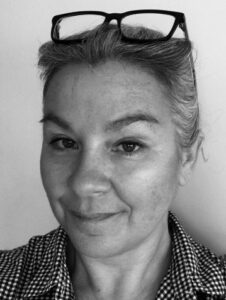 | 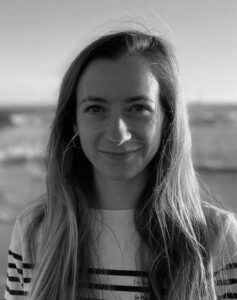 | 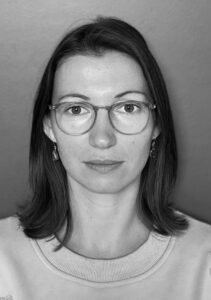 | 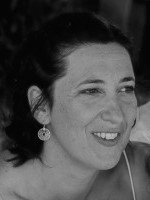 | 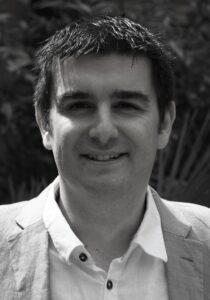 |
Caroline MONTAGNANI | Julia MOUGIN | Océane ROMATIF | Marie-Agnès TRAVERS | Emmanuel VIGNAL |
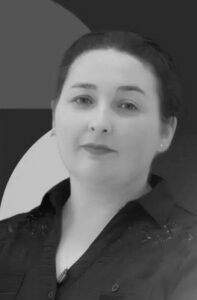
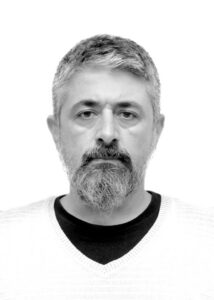
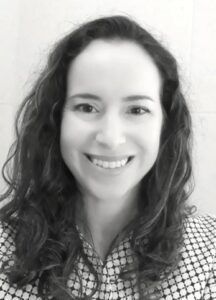
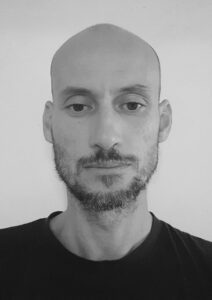
Brazilian members
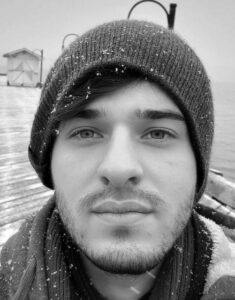 | 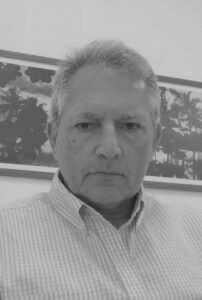 | 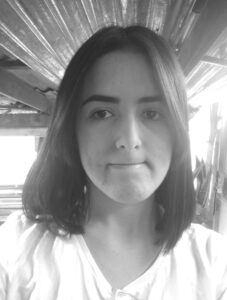 | 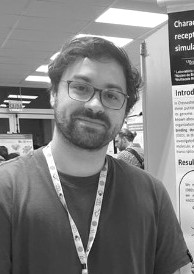 | 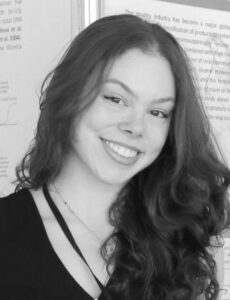 |
|---|---|---|---|---|
Nicolas ARGENTA | Afonso BAINY | Luana BOENO | Theo BRASCHER | Sabrina CARVALHO |
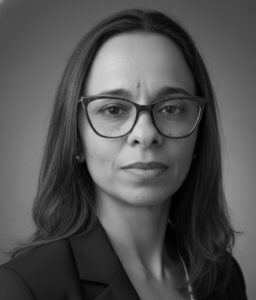 |  |  |  |  |
Maria Alcina DE CASTRO | Gilsaine FONGARO | Carlos GOMES | Juliane GOULART | Cassio HERVE |
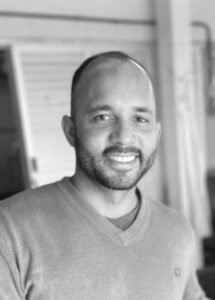 | 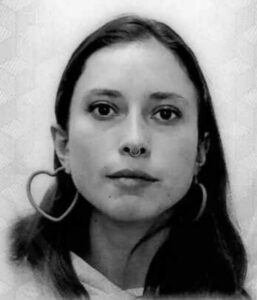 | 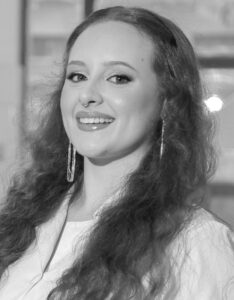 | 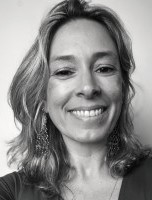 | 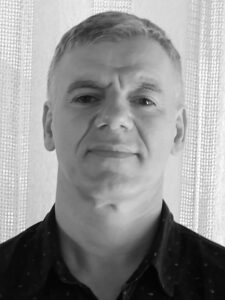 |
Juan JETHRO | Antonia JORQUERA | Kailane MARTINS | Ana Paula MATEI | Claudio MELO |
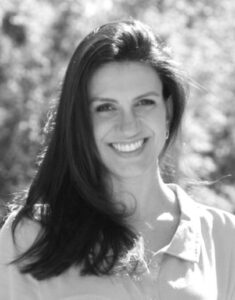 | 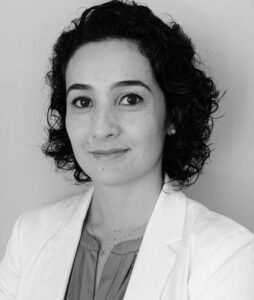 | 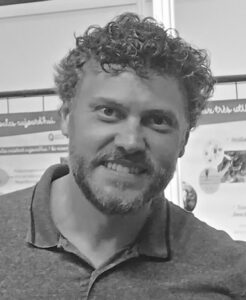 |  |  |
Marilia MIOTTO | Jussara PALMEIRO | Guilherme RAZZERA | Rafael DA ROSA | Beatriz SAVI |
 |  |  |  |  |
Patricia SCARDUA | Thaís SINCERO | Doris SOBRAL | Patricia STOCO | Giustino TRIBUZI |
 |  | |||
Glauber WAGNER | Flavia ZACCHI |
Chilean & Ecuador members
 |  |  |  |
|---|---|---|---|
Daniel OYANEDEL | Paulina SCHMITT |
In Brazil:
Universidade Federal de Santa Catarina (UFSC),
LaBIOMARIS,
LMM,
LABCAI,
LVA,
MiMA,
LABCAL,
PROTO
In Chili:
Pontificia Universidad Catolica de Valparaiso (PUCV),
Grupo de Biomarcadores de Holobiontes Marinos Acuícolas (BIHOMA) from the GIM Lab,
Universidad Catolica del Norte (UCN),
Centro de Estudios Avanzados en Zonas Áridas (CEAZA)
You can get the photo size by clicking on the thumbnail
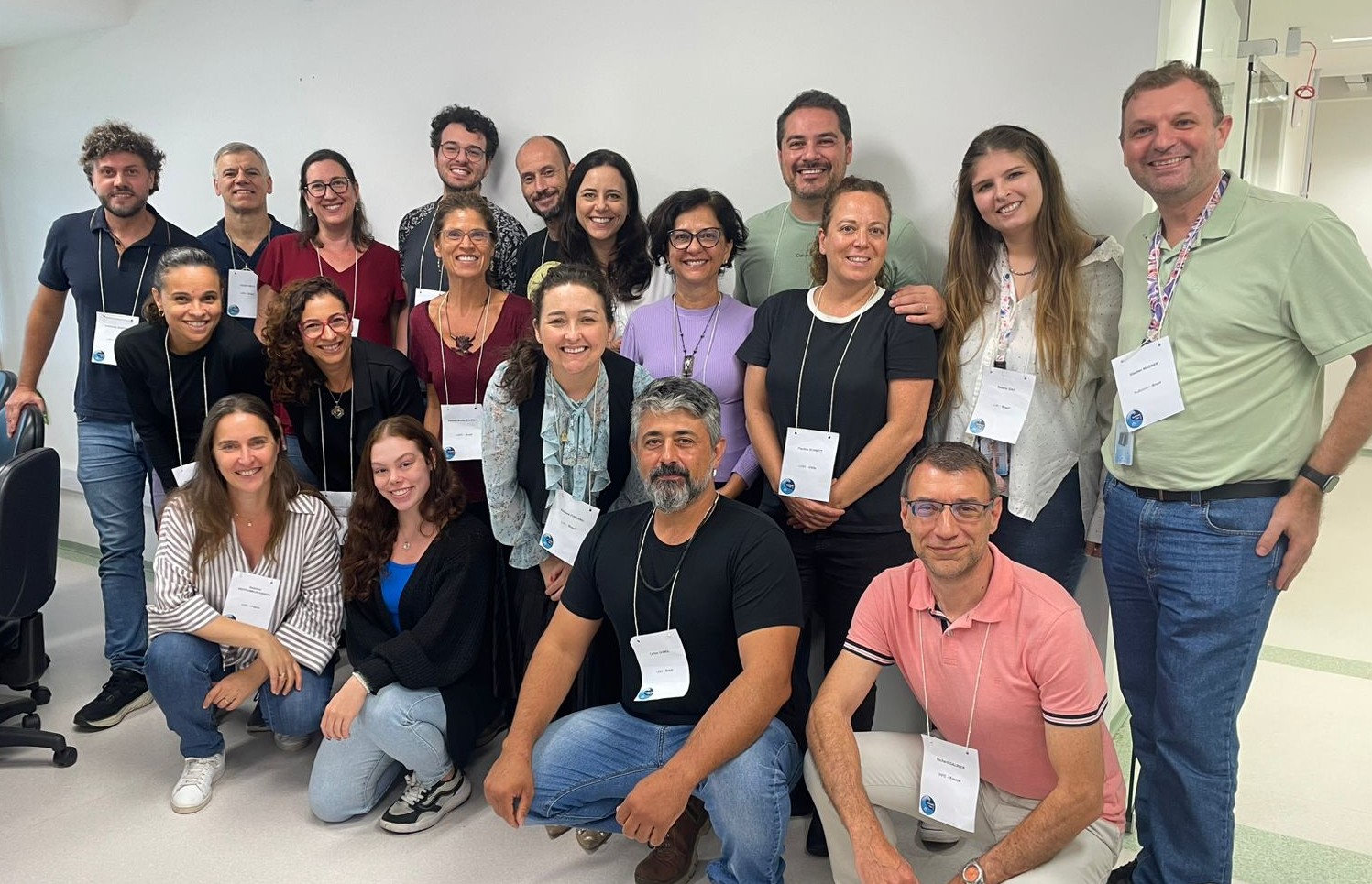
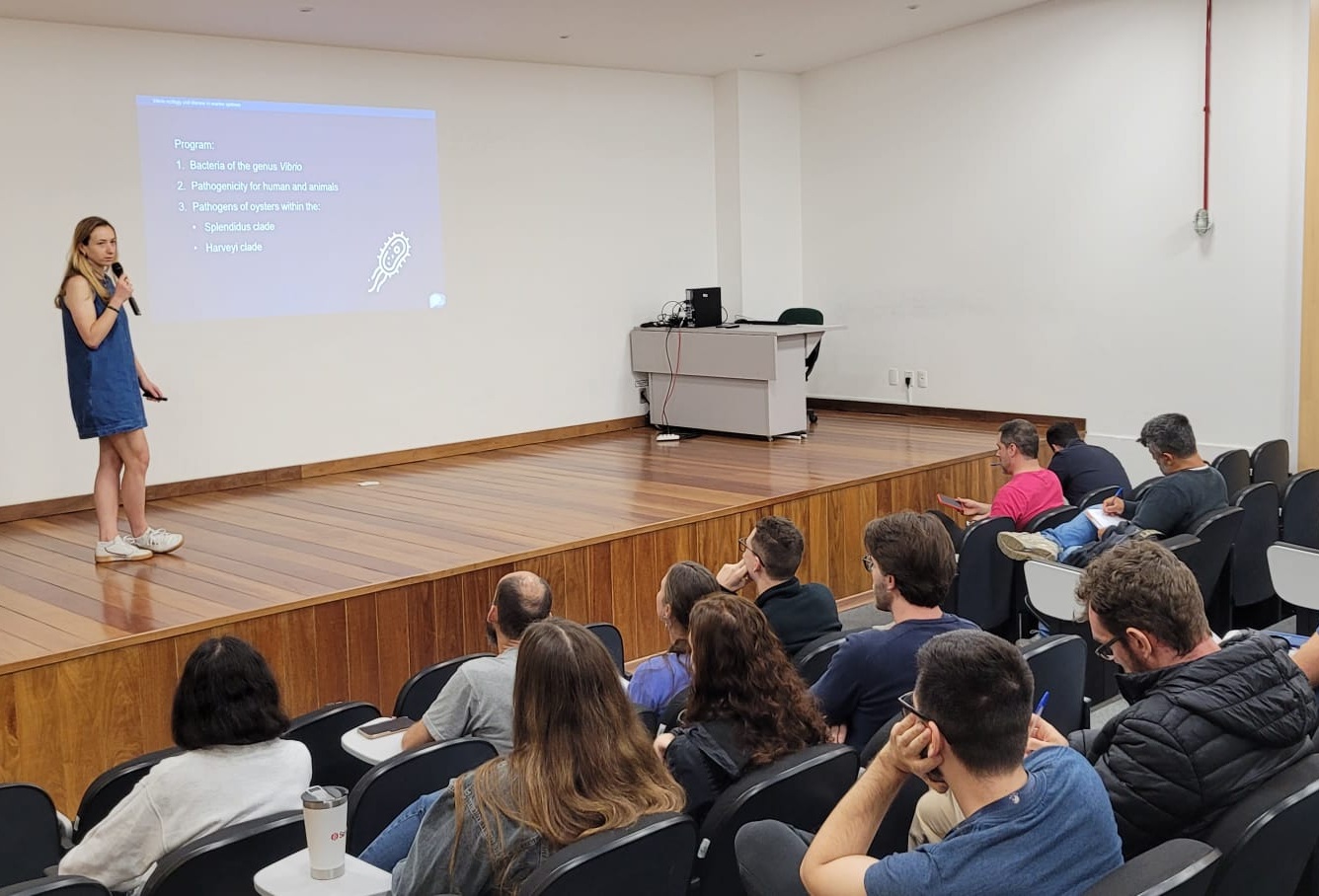
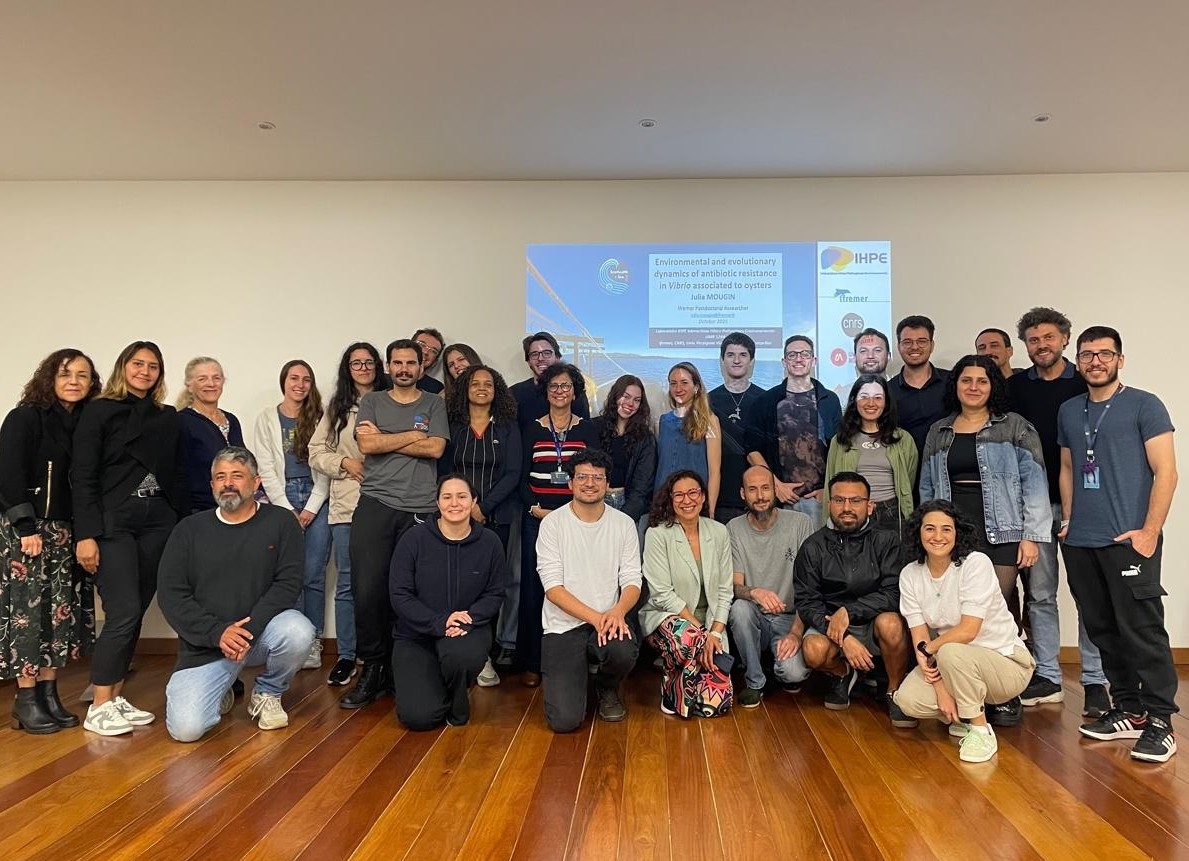
- Kickoff meeting (2025 May) in hybrid from Florianopolis BR
43 participants (in hybrid from France and Ecuador) in Brazil with french collaborators (Agnès Travers, Delphine Destoumieux-Garzon, Richard Galinier) and chilian collaborator (Paulina Schmitt)

- Annual meeting
2026 Sept, Montpellier FR - Infrastructure visits
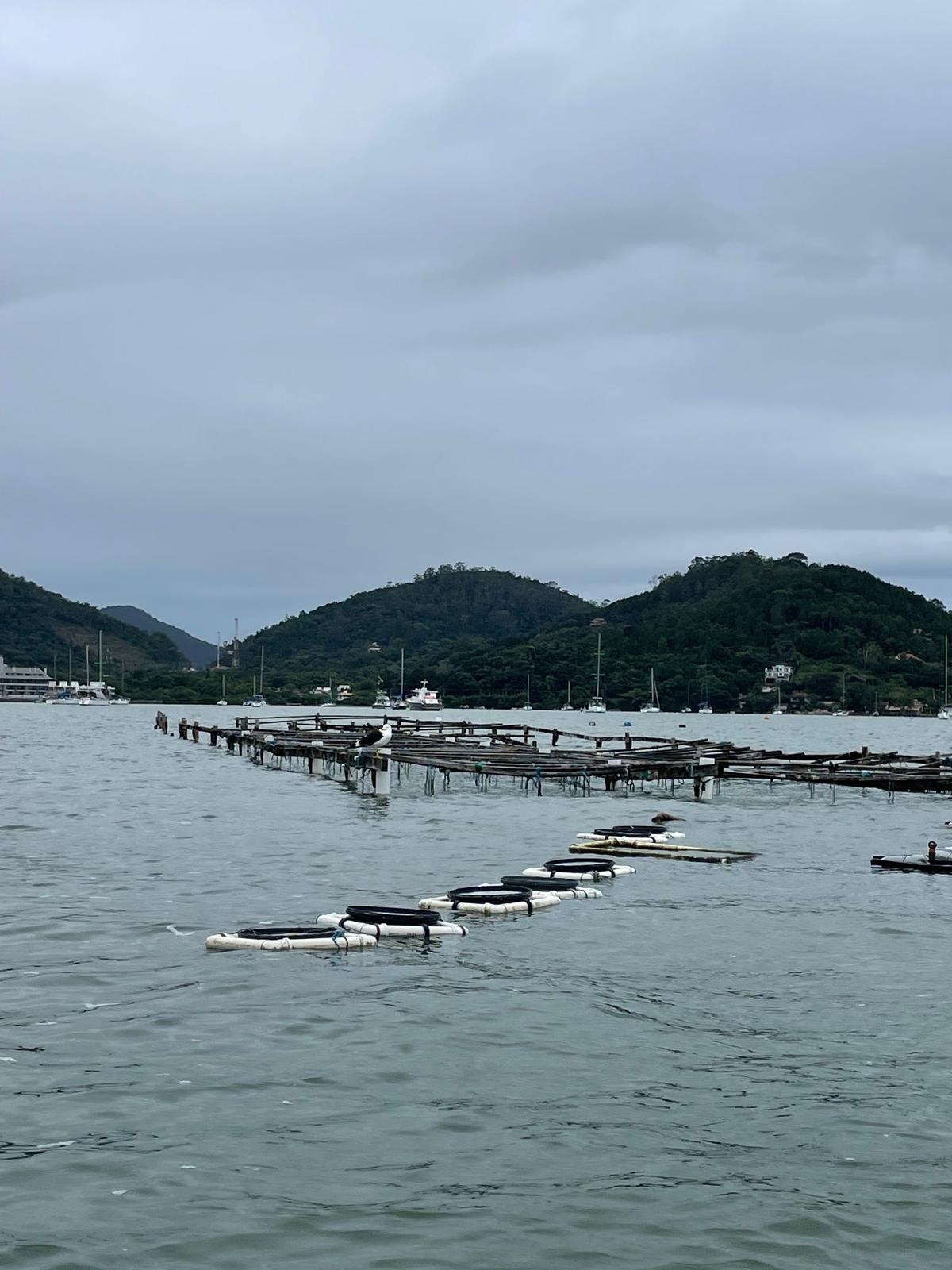
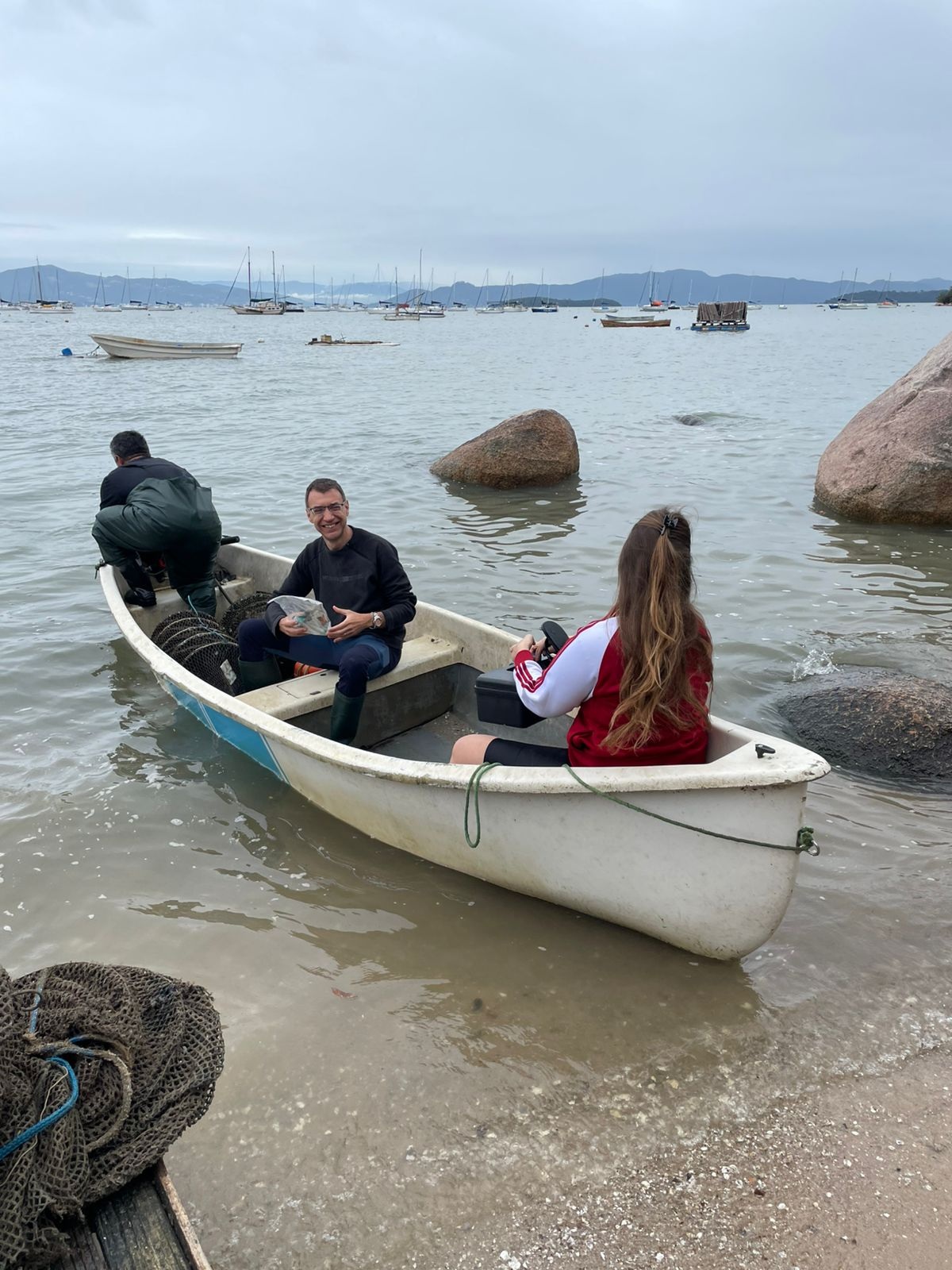
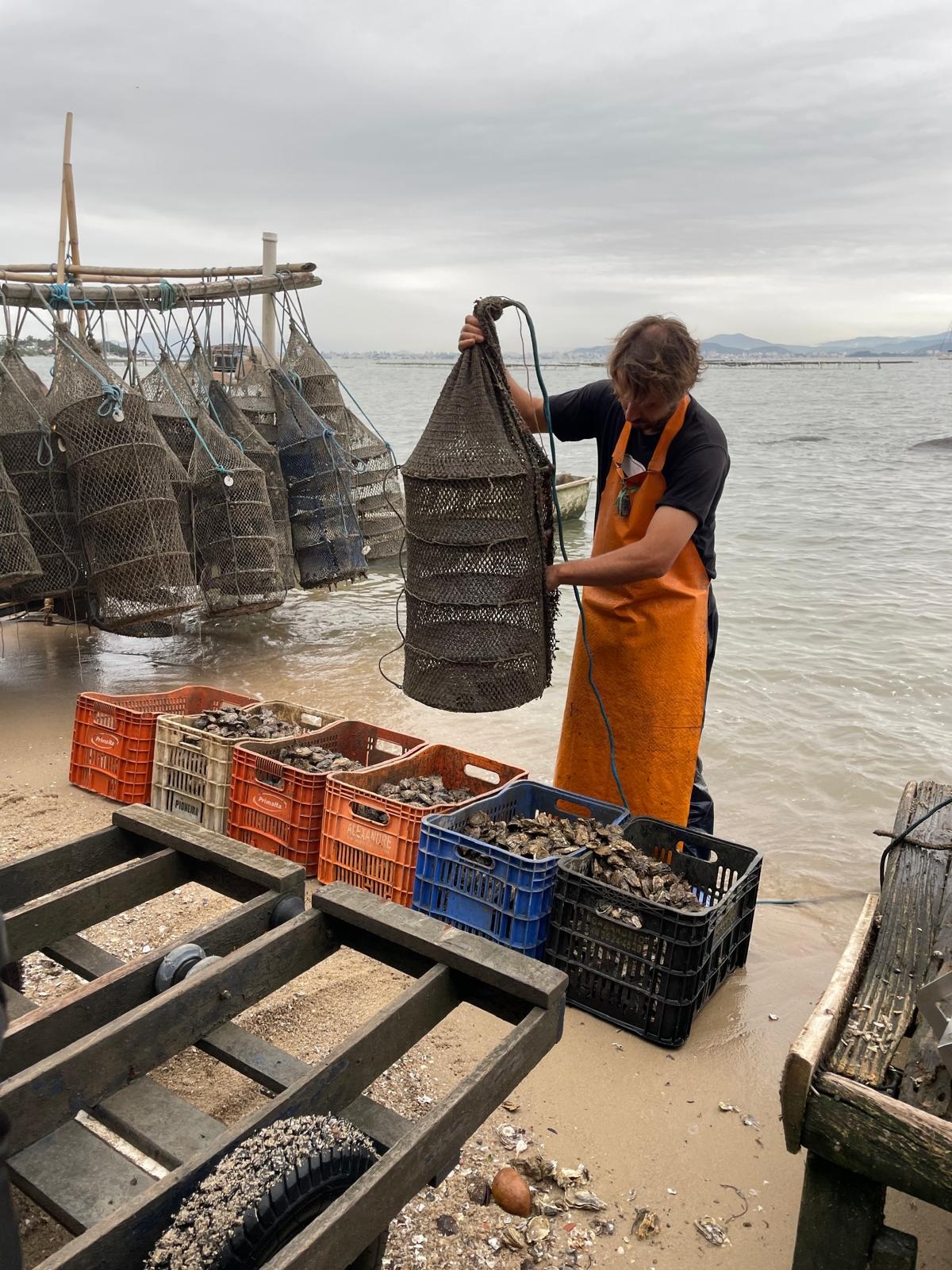
Oyster farms in Florianopolis, BR (2025-05 and 2025-10)

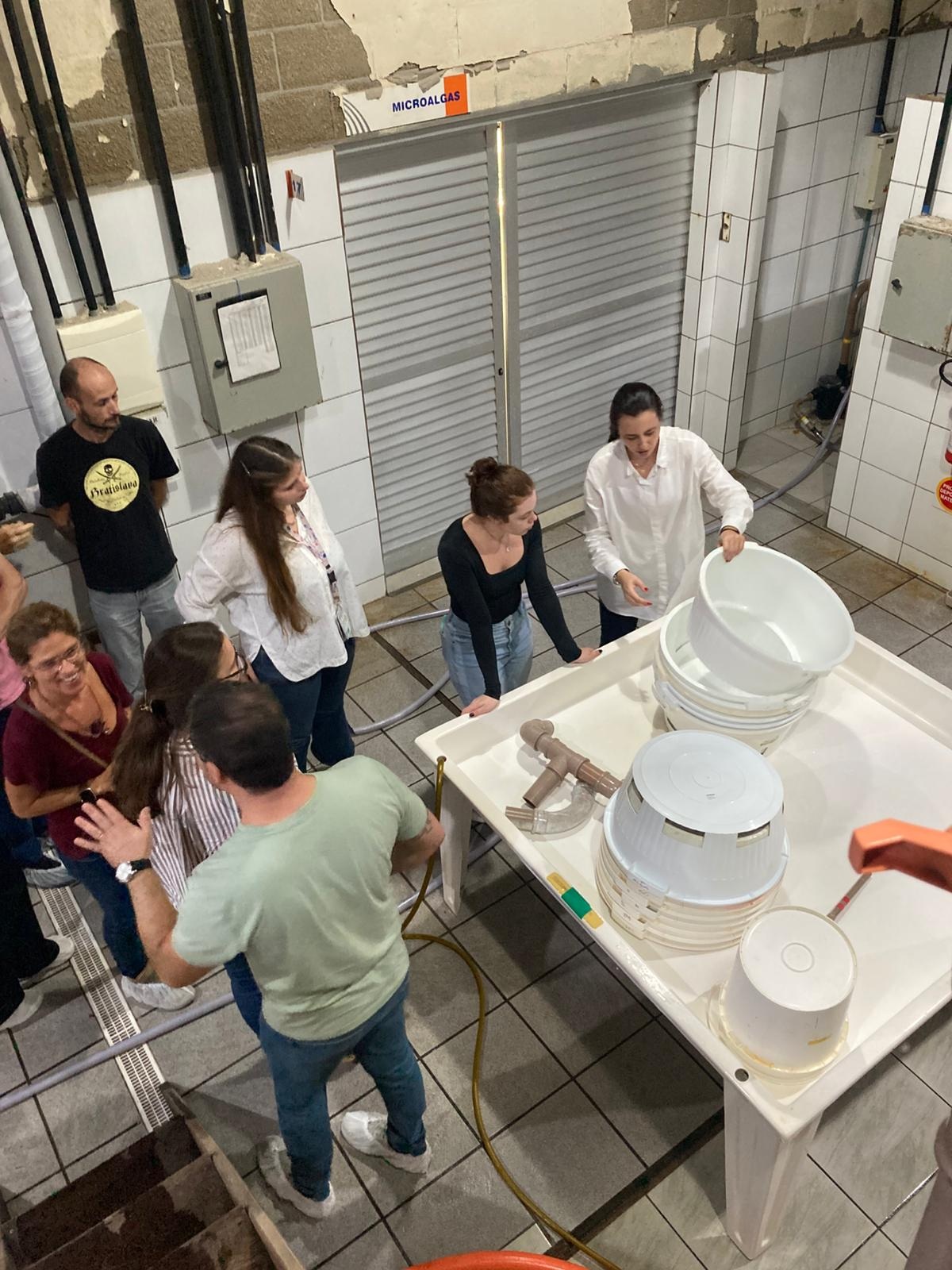
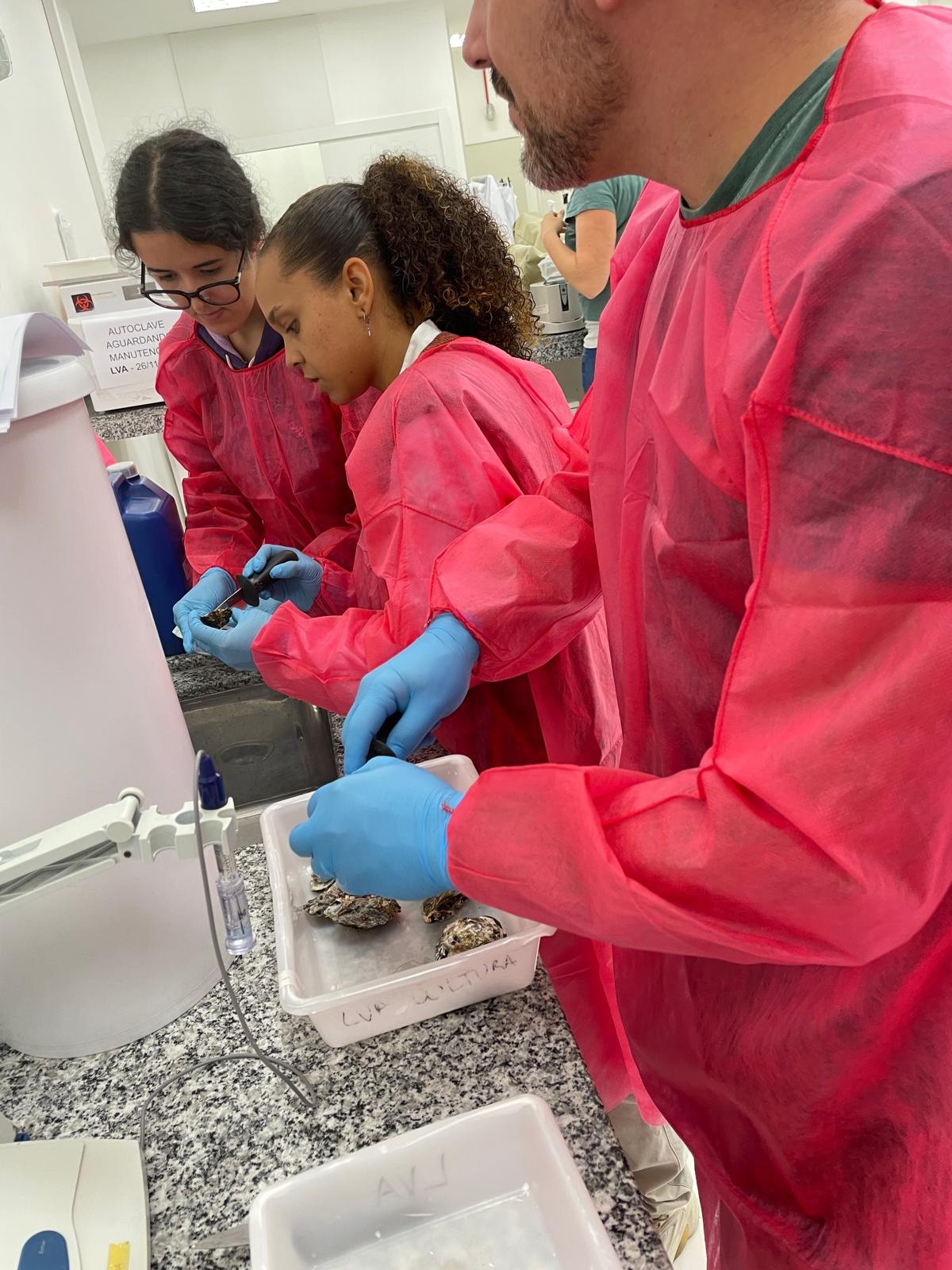
Technical visit to the Marine Mollusks Laboratory from UFSC Federal University Santa Catarina, BR (2025-05 and 2025-10)

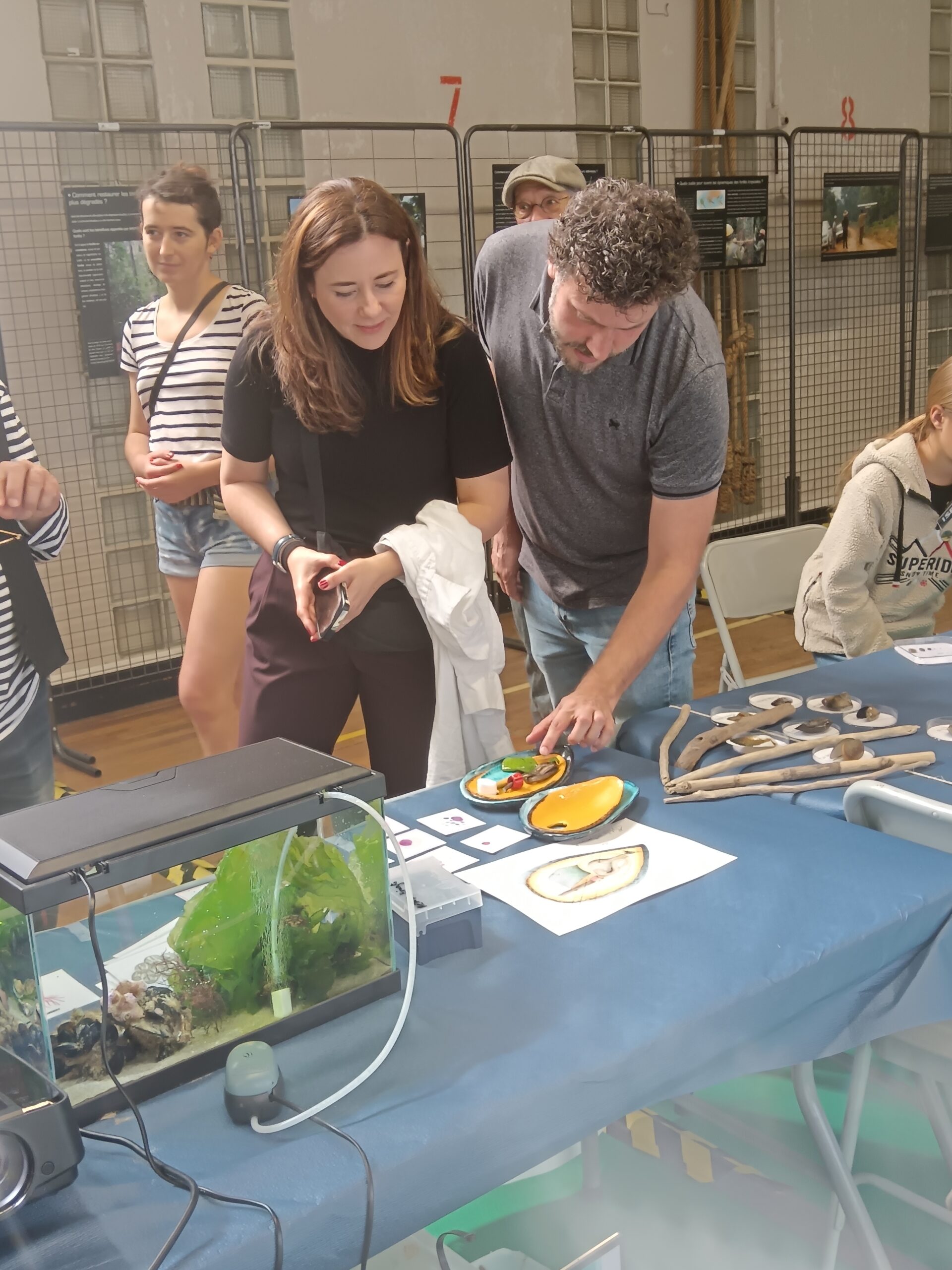
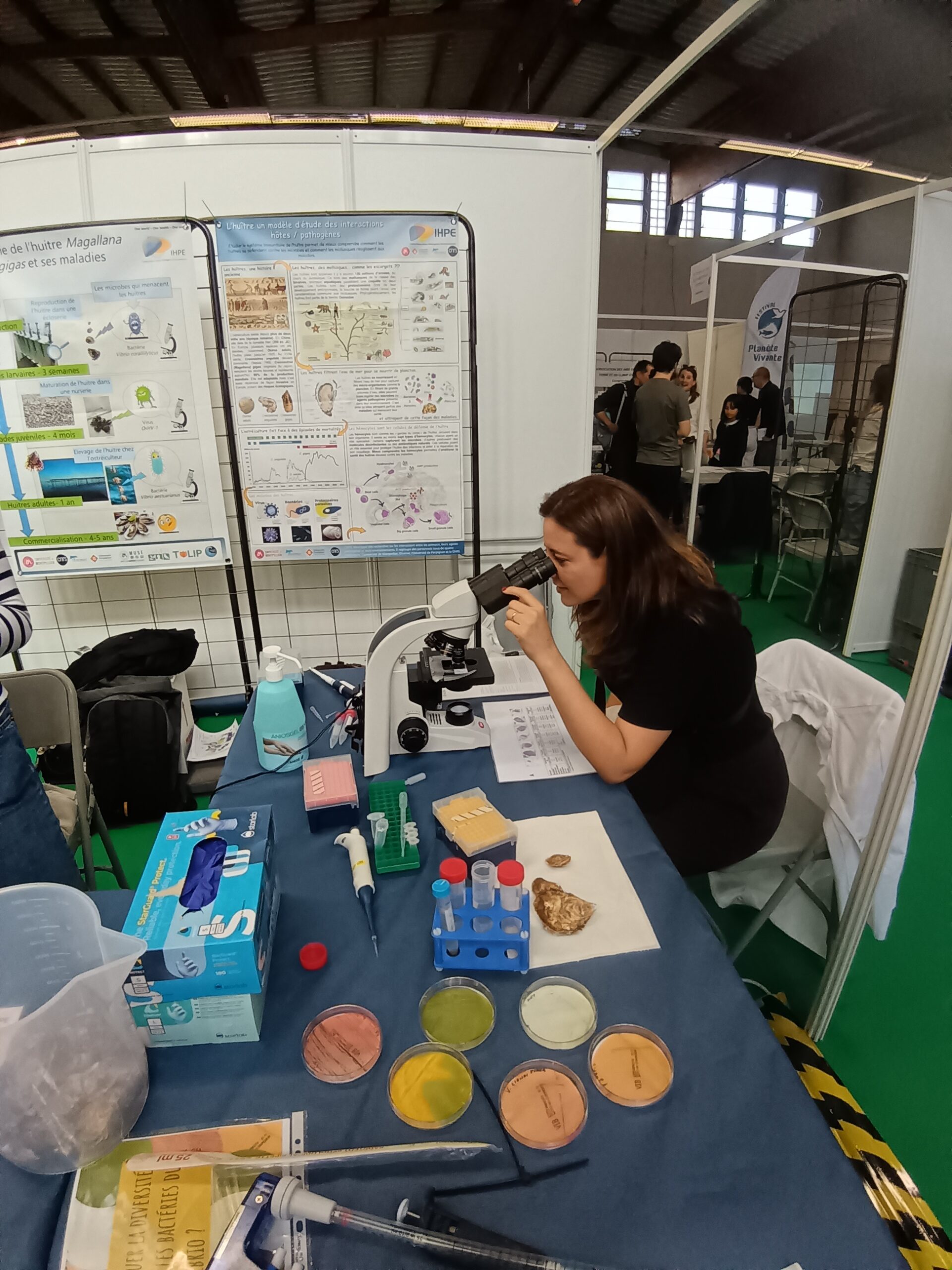
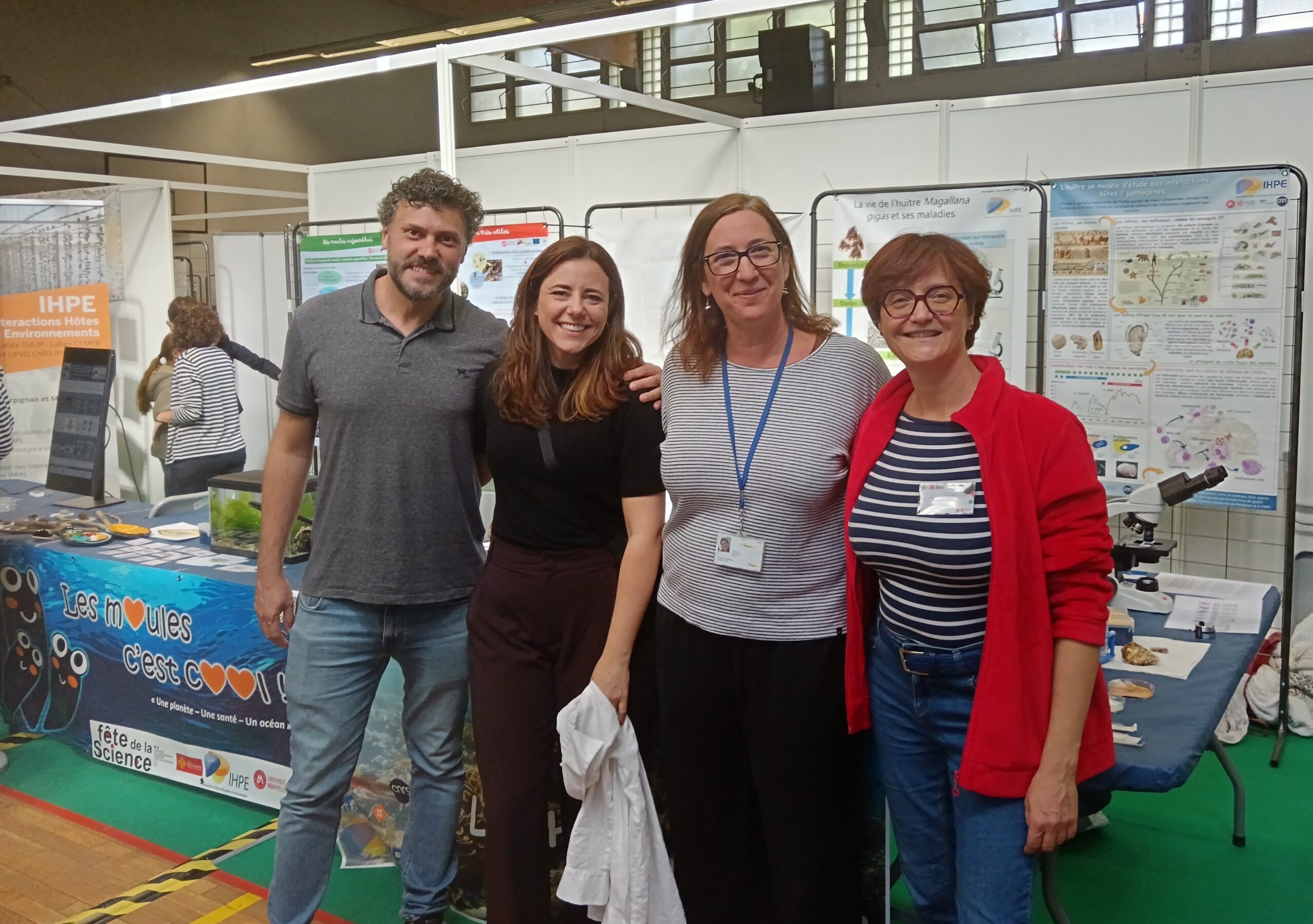
Science contest, University of Montpellier, FR (2025-10)

Oyster farms in the Thau basin, FR (2025-10)

Mesocosm from Ifremer, FR (2025-10)
- Kickoff meeting (2025 May) in hybrid from Florianopolis BR
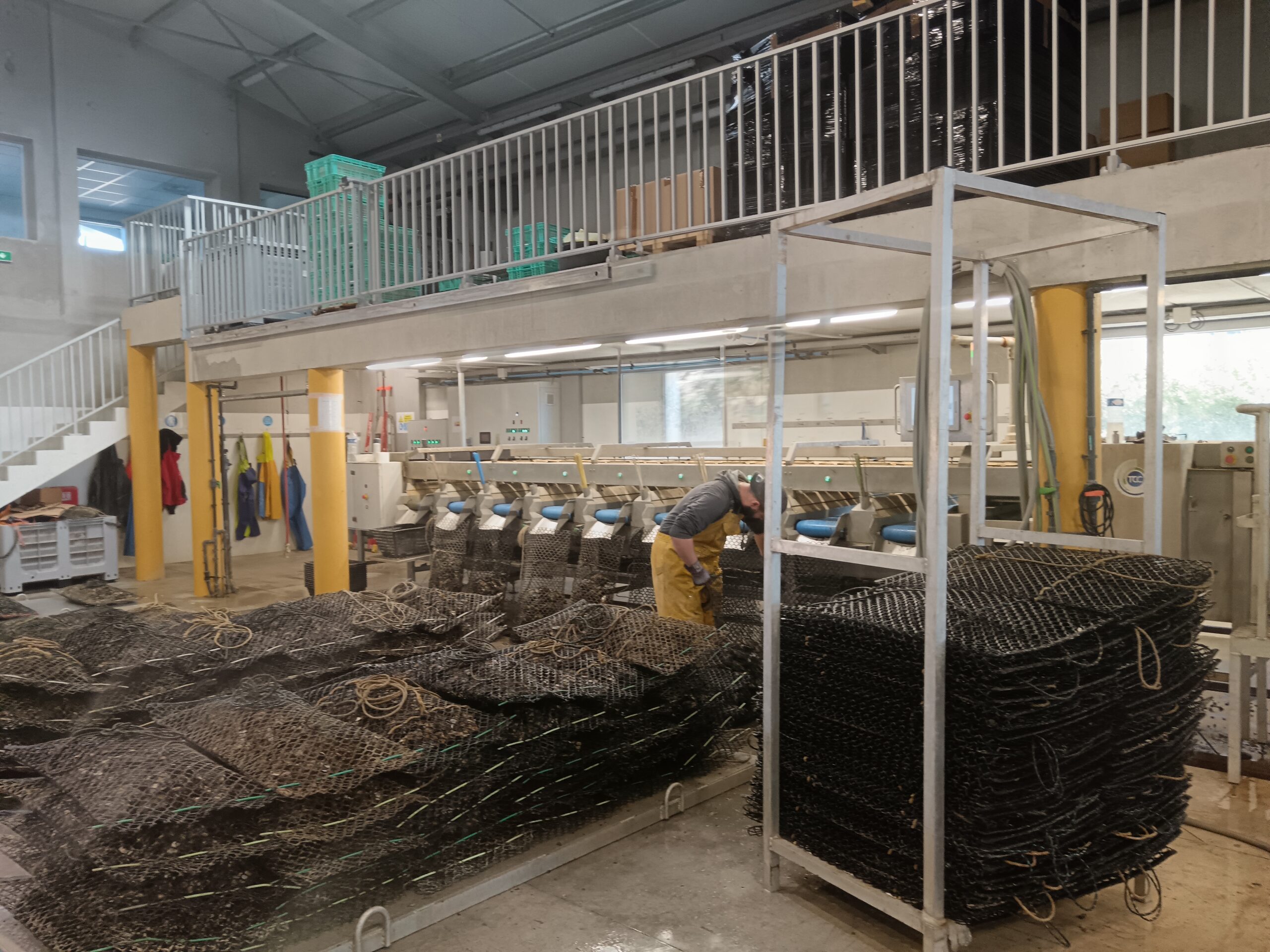
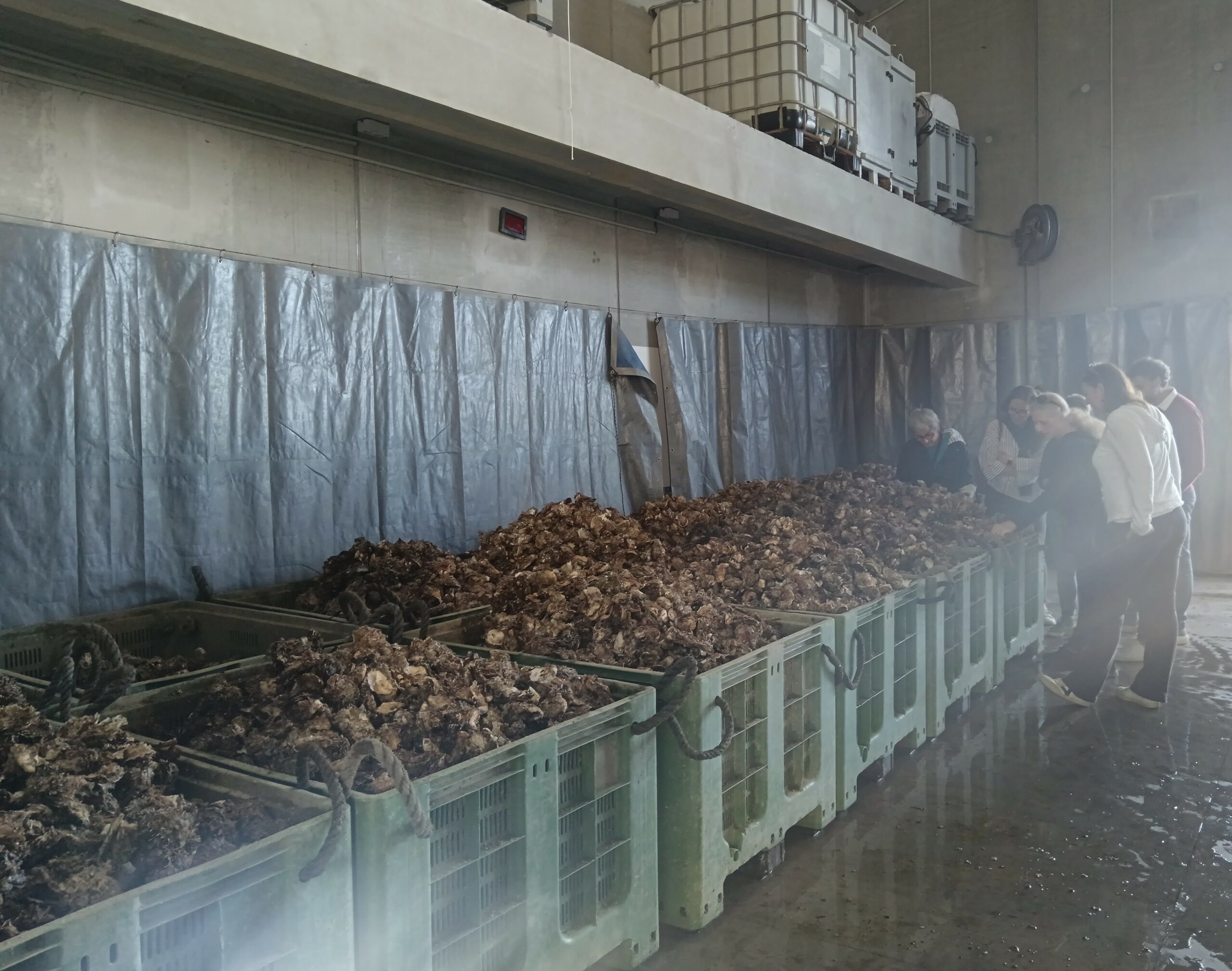
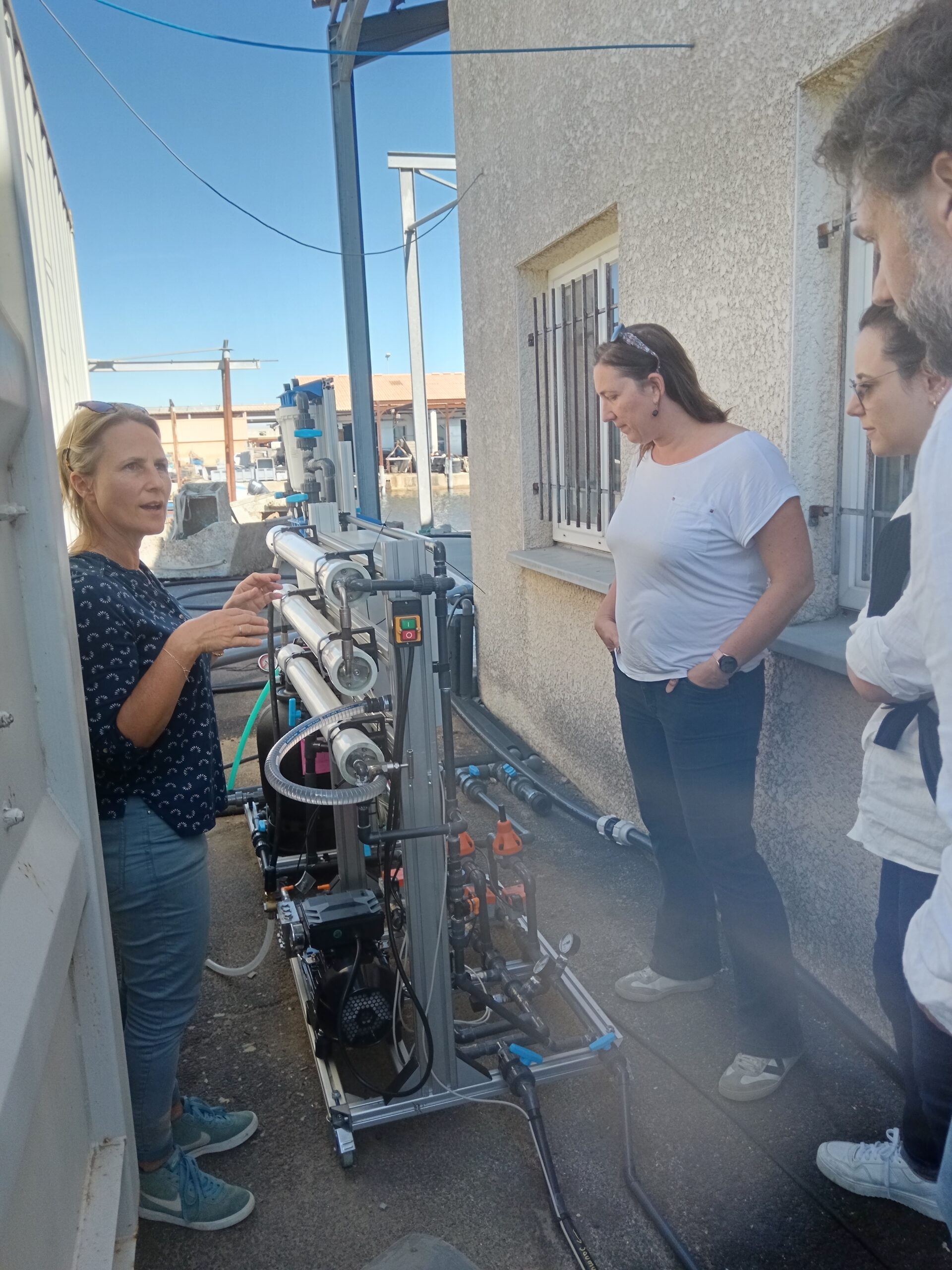
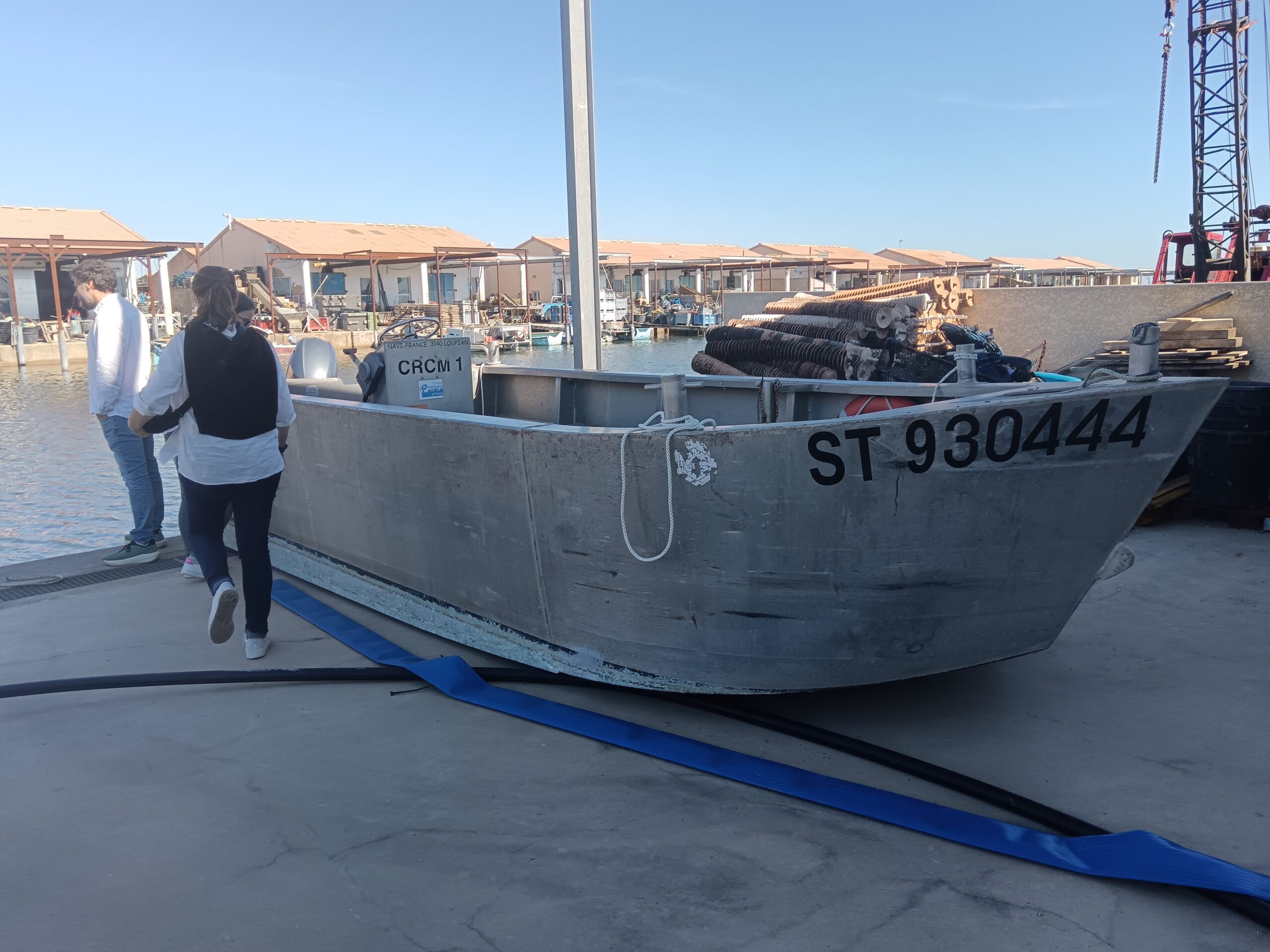
- Training
Courses « Vibrio in marine systems: from oyster diseases to antibiotic resistance » in BR by Julia Mougin (2025-10)


Post-doctoral fellow Nicolas Argenta in France (2025-11 to 2026-08) - Exchanges
2025 september, brazilian researchers in France (Flavia Zacchi & Guilherme Razzera)
2025 october, french researcher and Post-Doct in Brazil (Viviane Boulo & Julia Mougin)
2025 october, chilean collaborator in Brazil (Felipe Navarro)
2025 november, brazilian collaborator for 3 months in France (Thaís Sincero)
2025 december, brazilian Post-Doct for 10 months in France (Nicolas Argenta Da Conceicao)
2026 april, french engineer in Brazil (Cristian Chaparro)
2026 june, brazilian researchers for 10 days in France (Doris Sobral & Gyslaine Fongaro) AND brazilian student for X months in France (Beatriz Savi)
2026 july, brazilian collaborator for X months in France (Beatriz Munoz)
| SELECTED FUNDING | |
 | CNRS International Project Research "EcoHealth4Sea" |
 | CAPES-COFECUB, project "Sentinels": EcoHealth in coastal marine environments used for oyster culture |
| FONDECYT | |
| FAPESC "DiagnOstra" | |
| CNPq Brazilian Conselho Nacional de Desenvolvimento Científico e Tecnológico | |
 | CLIMAT-AmSud, project "OCEAN-SAFE" |
 | University of Perpignan (FR) Bonus Qualité Recherche, project "GIGA-stress" |
| REQUESTED FUNDING | |
 | Water4all, project "SHELL" |
- video report that explains oyster farming and its challenges in Brazil. Vinicius de Paraiso da Ostras, who appears in it, is part of our consortium (2026 feb)
- Article « UFSC leads unprecedented international network to improve oyster health » (2025 jul)
- Article « Professor Paulina Schmitt participates in an international research project on coastal ecological health » (2025 june)
- French CNRS South America website
See HAL collection link or listing bellow